
Choosing the right partner for order fulfillment is a major decision for any online store. This article provides a detailed, unbiased review of a leading third-party logistics (3PL) company. We analyze its core offerings to see how they impact real-world business operations.
Our goal is a transactional analysis of this company’s solutions. We examine its services, technology platform, and pricing models. The review is based on official data, user experiences, and industry benchmarks.
Key performance areas include fulfillment speed and accuracy. We also look at inventory management tools and customer support quality. Understanding the cost structure is crucial for any growing brand.
This review explores the promised advantages for ecommerce sales and efficiency. We also address critical concerns raised by actual users. The following sections offer a comprehensive look at a full-service logistics partner.
Key Takeaways
- This is a comprehensive review of a leading ecommerce fulfillment and logistics provider.
- The analysis covers services, technology, pricing, and real-user performance data.
- The goal is to deliver an unbiased, transactional assessment to aid your business decision.
- Critical evaluation areas include shipping speed, inventory management, and support.
- We examine both the platform’s strengths and the practical challenges users face.
- The review helps determine if these solutions fit your operational needs and growth goals.
Introduction: Navigating Ecommerce Fulfillment with ShipBob
For any merchant, the moment a customer clicks “buy” triggers a complex logistical chain that defines their brand experience. This post-purchase fulfillment process is where customer satisfaction is truly earned.
Getting it right builds loyalty and drives repeat sales. Getting it wrong can damage your reputation instantly. Brands face real hurdles managing everything from warehouse storage to last-mile delivery.
Common challenges include high shipping costs, slow delivery times, and inventory inaccuracies. Handling these logistics in-house often becomes impossible as a store grows.
This is where third-party logistics (3PL) providers enter the picture. They offer a potential solution by combining technology with physical warehouse networks. The goal is to simplify operations for the merchant.
Choosing the right 3PL is a critical business decision. You must match a provider’s capabilities with your company’s specific needs. Key factors include your order volume, growth stage, and customer locations.
This article provides a detailed assessment of one prominent option in the market. We will navigate its proposed solutions for ecommerce brands. The analysis is transactional, focusing on fit and function.
Our guide will help you determine if this platform aligns with your operational goals. We examine how it aims to tackle the core challenges of modern fulfillment. The following sections break down every major aspect you need to evaluate.
What is ShipBob? An Overview of the 3PL Platform
At its core, this provider positions itself not just as a warehouse service, but as an integrated fulfillment platform. It combines a physical network with proprietary software to manage the entire logistics process.
This approach offers brands two distinct paths. They can outsource operations completely or license the technology to power their own facilities.
Company Background and Global Network
The company was founded with a clear goal. It aimed to simplify complex fulfillment for direct-to-consumer brands using technology. This focus on software distinguishes it from traditional third-party logistics firms.
A major operational asset is its extensive warehouse network. With over 40 fulfillment centers spread across North America, Europe, and Australia, it provides wide geographic coverage.
This distributed model is a key supply chain advantage. Storing products in multiple locations places inventory closer to end customers. The result is faster, more affordable delivery across major markets.
Core Services: From Outsourced Fulfillment to WMS Software
Brands can choose between two primary fulfillment solutions. The first is a fully outsourced model. Here, the provider handles everything from receiving stock to shipping orders.
The second option is a standalone Warehouse Management System (WMS). This software is licensed to brands that operate their own warehouses but want advanced tools. The same proprietary system runs all its fulfillment centers, ensuring standardized management.
The central dashboard offers real-time inventory management. Features include reorder point alerts, product bundling, and detailed analytics. Orders sync automatically from major online stores via turnkey integrations.
Services extend beyond basic retail orders. They support EDI-compliant B2B fulfillment and international shipping with duties prepaid. Customization options like kitting and branded packaging are also available.
How ShipBob Works: The Fulfillment Process Explained
A transparent, step-by-step process forms the backbone of any reliable third-party logistics service. For merchants, understanding this workflow is key to managing expectations and ensuring smooth operations.
The system is designed to automate the journey from a sale to a delivered package. It minimizes manual tasks for the brand owner after the initial setup.
This hands-off approach aims to streamline your fulfillment and let you focus on growth. We will break down the three core stages that handle your inventory and customer orders.
Step 1: Store Integration and Product Sync
Everything begins with connecting your online store to the platform. Native integrations with major ecommerce platforms make this a quick setup.
Once linked, your product catalog syncs automatically. This includes SKUs, variants, and pricing details. The system creates a digital mirror of your store within its dashboard.
New customer orders flow directly into the platform in real-time. There is no need for manual entry or file uploads. This seamless connection is the first critical step in the automation process.
Step 2: Inventory Distribution and Receiving
Next, you must send your physical products to the fulfillment network. You create a Warehouse Receiving Order (WRO) to schedule a shipment.
The platform provides data-driven guidance on optimal inventory distribution. You can stock items across different regional hubs through a single point of contact.
This strategy places stock closer to your customer base. It aims to reduce transit time and shipping costs later.
When your pallets arrive, the receiving team counts and inspects every item. They then stow the goods in designated warehouse locations. This step makes inventory available for sale within the system.
User reports note that this receiving phase can sometimes take several days. It can be a potential bottleneck during busy periods.
Step 3: Order Picking, Packing, and Shipping
When a customer places an order, the technology takes over. The system instantly assigns it to the fulfillment center nearest the delivery address.
This intelligent routing is a core advantage. It is designed to get the package on its way in the shortest possible time.
Warehouse staff then receive a pick list. They locate the correct items from the shelves and bring them to the packing station.
Items are packed according to your preset instructions. You can use custom branded packaging if you supply it. The packer selects the right box and adds any necessary inserts.
Finally, the completed package is handed to a carrier partner like USPS, UPS, or FedEx. The entire process from picking to carrier handoff is meant to be fast.
Shipping labels are generated automatically. Tracking information is sent directly to your customer. This closes the loop on the fulfillment cycle with minimal merchant involvement.
These integrated processes are engineered for efficiency. They represent a complete outsourcing of your logistical tasks.
ShipBob’s Core Technology and Platform Features
The true power of a modern 3PL lies not in its warehouses, but in the digital intelligence that orchestrates them. For ShipBob, this intelligence is delivered through a unified software platform designed to give merchants control and visibility.
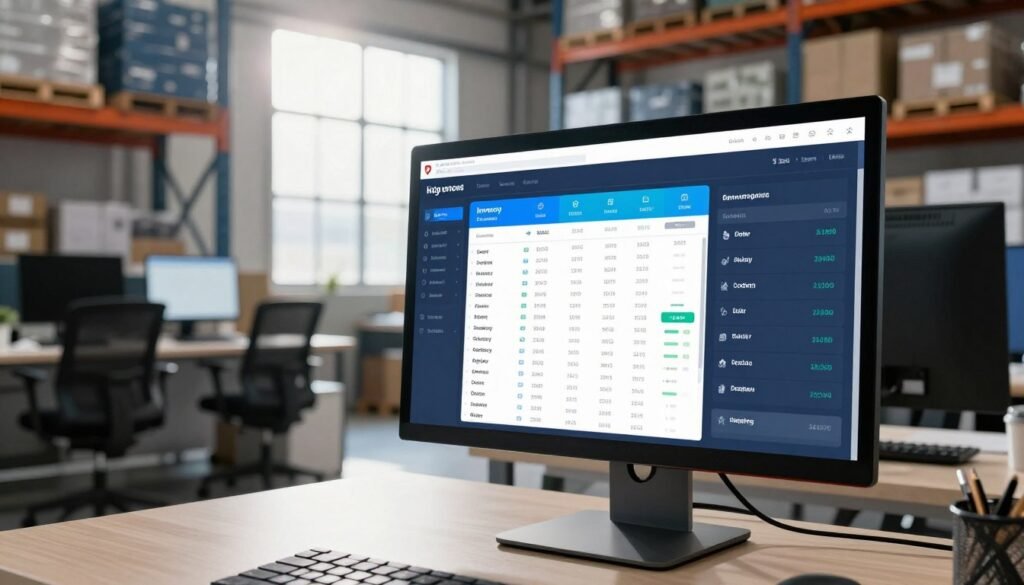
This technology stack aims to be the central nervous system for your fulfillment. It connects every step, from inventory receipt to final delivery.
The Proprietary Warehouse Management System (WMS)
The operational backbone is a proprietary warehouse management system. This same software runs every fulfillment center in the network.
Standardizing with one management system creates consistent processes globally. It provides granular control over how inventory is handled and orders are fulfilled.
This unified system is a key advantage for multi-channel brands. It ensures reliable operations whether an order comes from a web store or a major marketplace.
Real-Time Dashboard and Analytics
Merchants access everything through a central dashboard. It offers a live view of critical levels across all stock locations.
Key features include automated reorder point alerts. These notifications help prevent costly stockouts before they happen.
The system also provides tools for product bundling and bulk order editing. This supports kits, subscriptions, and promotions.
Advanced reporting turns raw data into actionable information. You can analyze fulfillment costs, shipping performance, and order accuracy over time.
Integration Ecosystem and Developer API
Connectivity is a major strength of the platform. Pre-built integrations link with over 70 sales channels and 40+ essential eCommerce tools.
These include one-click connections for major online stores, Amazon, and email marketing services. Setup is designed to be fast and simple.
For custom needs, an open Developer API offers deep flexibility. Brands can build direct links to their ERP software, custom storefronts, or other business tools.
This technology approach aims to reduce manual work and errors. The goal is to create a single, reliable source of truth for all fulfillment data.
The Promised Advantages: ShipBob’s Key Selling Points
Beyond basic services, a 3PL’s competitive edge is built on a set of distinct operational and strategic benefits. This platform promotes several core advantages designed to accelerate growth and improve customer satisfaction.
These selling points address common pain points for direct-to-consumer brands. They focus on shipping performance, business scalability, and brand-building tools.
Fast, Affordable Shipping with a Distributed Network
A primary advantage is the promise of fast, cost-effective delivery. The distributed network of fulfillment centers is key to this promise.
By storing inventory in multiple locations, the platform reduces the distance to end customers. This strategy directly cuts transit times and final-mile shipping costs.
The provider guarantees two-day delivery across the continental United States. This is a major lever for improving conversion rates and customer loyalty.
Brands also benefit from pre-negotiated carrier rates due to the platform’s massive volume. Case studies, like that of cookware brand Our Place, cite savings of millions in freight costs.
Scalability for Growing Brands
The system is engineered to handle rapid growth without operational hiccups. It can seamlessly absorb order surges from flash sales or holiday peaks.
This scalability means merchants do not need to hire temporary staff or find extra warehouse space. The logistics partner manages the entire surge, from picking to last-mile shipping.
This allows brand owners to focus on marketing and product development. Their fulfillment operation scales in the background as order volume increases.
Omnichannel and International Expansion Tools
Growth often means selling through more channels and into new countries. This platform provides integrated tools for both.
For omnichannel retail, it fulfills orders from a single inventory pool. This includes DTC websites, Amazon, Walmart, and brick-and-mortar stores via EDI compliance.
International expansion is simplified with fulfillment centers in Canada, the UK, the EU, and Australia. A key feature is Delivered Duty Paid (DDP) shipping.
DDP shows the total landed cost to the international customer at checkout. This eliminates surprise fees and dramatically improves the cross-border experience.
Customization and Branded Unboxing Experiences
In a crowded market, the unboxing moment is a powerful brand touchpoint. The platform’s Customization Suite turns this moment into a strategic asset.
Brands can design memorable experiences with custom boxes, tissue paper, and promotional inserts. They can also include personalized gift notes.
This level of packaging control fosters emotional connections with customers. It directly enhances brand loyalty and can drive social media sharing.
This focus on the post-purchase experience complements the operational speed. It shows a holistic approach to order fulfillment that serves both the business and its end-users.
Critical User Concerns and Common Complaints
Evaluating a logistics partner requires looking beyond sales pitches to the practical challenges experienced by current users. A pattern of recurring issues emerges from merchant reviews and case studies.
These problems often strike at the core of reliable fulfillment. They can directly impact a brand’s cash flow and customer trust.
Understanding these risks is vital for any business considering this service. We examine the most cited operational friction points.
Inventory Loss and Receiving Delays
A fundamental promise of any 3PL is the secure storage of your goods. User reports, however, detail repeated incidents of inventory loss.
Merchants describe a troubling scenario. Their pallets are signed for by the receiving team but then vanish within the warehouse system.
One user reported 72 boxes that the company could not locate for weeks. This creates immediate stockouts and forces brands to cancel customer orders.
The resolution offered is often limited to a credit for the manufacturing cost. This ignores the lost retail value and the marketing spend used to acquire the customer.
Closely related are severe receiving delays. Warehouse Receiving Orders (WROs) can remain stuck in “Partially Arrived” status.
During peak seasons, this status can last over two weeks. It cripples a merchant’s ability to sell new items or fulfill existing ones.
These bottlenecks turn a routine process into a major business disruption. The lack of proactive updates compounds the frustration.
Customer Support and Communication Challenges
When problems arise, the quality of customer support becomes paramount. Many users describe this area as a significant weakness.
Support is primarily handled through a generic ticketed system. There is often no dedicated point of contact for a merchant’s account.
Responses can be slow, and tickets are frequently reassigned. This leads to a frustrating cycle of repeating the same information.
Merchants report difficulty reaching anyone with real decision-making authority. The ticketing system feels impersonal and lacks ownership of complex issues.
Communication breakdowns are a common theme. The service often fails to notify brands of delays or errors proactively.
Instead, merchants discover problems when their own customers complain about late or missing orders. This reactive experience damages the merchant’s brand reputation directly.
For a service managing critical operations, this lack of transparent communication is a serious concern. It leaves brands feeling powerless during crises.
Billing Errors and Cost Transparency
Financial accuracy is a non-negotiable aspect of any partnership. User reviews highlight recurring problems with billing and costs.
Billing errors are frequently reported. These include overcharges due to products being logged with incorrect dimensions or weights.
One merchant cited over £1,000 in overcharges discovered over a single month. Auditing invoices requires significant time and effort.
The fee structure itself is often cited as complex and opaque. It can be difficult for merchants to predict their final costs accurately.
This lack of cost transparency makes financial planning challenging. Unexpected fees erode the profitability of each order shipped.
When disputes arise, the resolution process can be lengthy. The burden of proof often falls on the merchant, not the provider.
These financial inconsistencies directly impact a business’s bottom line and satisfaction. They undermine the trust required for a long-term logistics partnership.
Analyzing ShipBob’s Performance and Reliability Metrics
Publicly advertised metrics offer a snapshot of capability, but real-world reliability is proven under operational pressure. For merchants, the difference between claimed and actual performance can define customer trust.
This analysis contrasts official statistics with user-reported experiences. Understanding this potential variance is crucial for any brand, especially those with seasonal sales spikes.
Reported On-Time Shipping and Accuracy Rates
The platform promotes impressive performance levels. It claims a 99.97% order accuracy rate and a 99.6% on-time shipping rate.
These numbers suggest a highly reliable fulfillment operation. They imply that nearly all orders are processed correctly and dispatched within the promised service window.
User reviews, however, frequently contradict these figures. Reports indicate that accuracy can suffer when inventory is misplaced.
Wrong items may be shipped, or orders are cancelled due to stock unavailability. This directly impacts the customer experience.
The disparity suggests performance is not consistent across all fulfillment centers. It may also vary between different merchant accounts.
The Impact of Peak Season on Operations
Performance metrics are most severely tested during the peak season. The Q4 holiday period places immense strain on operations.
User reports indicate that on-time shipping rates can plummet at these times. Systems and staff appear overwhelmed by the volume surge.
Orders face delays of several days or even weeks. One merchant stated their provider was “completely unable to keep up,” leading to missed Christmas delivery promises.
Such breakdowns damage merchant credibility instantly. Customer satisfaction plummets when holiday gifts arrive late.
These seasonal failures reveal a critical weakness. The advertised reliability of fulfillment processes may not hold under maximum stress.
For brands selling time-sensitive products, this inconsistency poses a major risk. Evaluating a provider requires looking beyond annualized metrics to seasonal performance.
Understanding ShipBob’s Pricing and Cost Structure
A clear understanding of fulfillment expenses is critical for maintaining healthy profit margins. The financial model of a third-party logistics provider is a key factor in your operational budget.
This platform uses a custom quote system. There is no public pricing page for merchants to review easily.
Your final costs are determined by your specific business profile. This includes your products, average order volume, and shipping destinations.
Standard Fee Components: Receiving, Storage, and Shipping
All quotes break down into three core categories. The first is inbound receiving.
This fee covers the labor to unload, count, and stow your inventory upon arrival. It is a one-time charge per shipment sent to a fulfillment center.
The second category is monthly storage. You pay for the physical space your goods occupy in the warehouse.
Charges are based on the volume your items take up, measured in cubic feet. This cost recurs every month your stock is held.
The third and most variable component is shipping. This is a per-order fee for pick, pack, and carrier costs.
Your shipping expense changes with each package. It depends on its weight, dimensions, destination, and service level.
The Custom Quote Model and Factors Affecting Cost
The custom quote approach means every merchant’s account has unique pricing. High-volume brands can negotiate better rates, often through long-term contracts.
For smaller operations, this model can lack upfront transparency. Comparing costs with other providers becomes more difficult.
Many additional services carry extra fees. These include custom packaging, kitting, gift notes, and international documentation.
You must discuss these needs during the sales process to avoid surprises. Merchants report that auditing monthly invoices is essential.
User reviews highlight that billing errors and unexpected charges can occur. Carefully reviewing your quote and subsequent invoices protects your business.
Understanding this structure helps you budget for total fulfillment costs. It allows for accurate financial planning as you scale.
Onboarding and Setup: What to Expect
Once you sign a contract with a 3PL, your immediate focus shifts to the implementation phase. This is where the partnership becomes a working system. A smooth onboarding process is critical for future operational success.
The standard timeline spans two to four weeks. For straightforward setups, it can be as fast as seven days. Complex integrations with ERP systems may take longer.
Timeline and Implementation Process
The clock starts from contract signing. It ends with your first order shipping from their facility. You play an active role throughout this period.
You must provide accurate product data and inventory details. A critical step is preparing your initial stock shipment. This involves creating Warehouse Receiving Orders (WROs).
You must also label boxes and schedule deliveries. Some users find this stage overly complex. Delays occur if your information is incomplete.
The entire workflow requires significant time investment from your business. Setting realistic expectations upfront prevents frustration later.
The Role of Your Implementation Specialist
You are assigned a dedicated Implementation Specialist. This person guides you through the entire setup. They are your main point of contact during this phase.
The specialist helps integrate your online store. They assist with setting up products and SKUs in the dashboard. They also lead training sessions for your team.
Configuration is a key part of their role. They help set shipping rules, packaging preferences, and return policies. The goal is to tailor the platform to your specific operations.
After you go live, your support structure changes. You transition from the specialist to a Merchant Care pod. This is a team of representatives assigned to your account.
They handle your day-to-day support needs. A successful handoff depends on clear communication during onboarding. This ensures you know who to contact for ongoing issues.
Who is ShipBob Best For? The Ideal Customer Profile
The effectiveness of any third-party logistics provider is ultimately measured by its fit for distinct types of ecommerce operations. Not every business will have the same needs or operational style.
Identifying where a platform’s strengths align with your specific profile is crucial. This prevents costly mismatches and sets the stage for a successful partnership.
This analysis defines the ideal customer for this fulfillment solution. It contrasts the brands that thrive with those that should consider other options.
Brands that Benefit the Most from ShipBob
This platform delivers maximum value to specific ecommerce models. The first group is direct-to-consumer brands that have outgrown in-house fulfillment.
These store owners seek to improve delivery speed and operational efficiency. They range from startups to enterprises shipping vast order volumes each month.
A second perfect fit is businesses with a national US customer base. They can leverage the distributed warehouse network to offer affordable two-day shipping.
This drastically improves the post-purchase experience. It is a powerful tool for boosting conversion rates and customer loyalty.
Merchants planning omnichannel or international expansion also find great value. The platform provides integrated tools for selling on Amazon, Walmart, and brick-and-mortar stores.
International customers benefit from simplified cross-border shipping with duties prepaid. This removes a major friction point for global growth.
Established businesses with their own warehouse space form another key segment. Roughly 25% of clients use the Merchant Plus WMS software alone.
This solutions approach suits brands with facilities between 4,000 and 50,000 square feet. They gain advanced technology to upgrade their internal inventory management.
Industry data shows strong adoption in specific verticals. Beauty and personal care brands represent about a quarter of the customer base.
Nutrition and health products account for another 22%. Apparel makes up roughly 11% of users. Home goods is another common category.
These industries share compatible product sizes and turnover rates. Their needs align well with the standard fulfillment model.
Businesses That Should Look Elsewhere
Despite its strengths, this service is not a universal fit. Certain operational profiles will likely face challenges or find costs prohibitive.
Merchants with very low order volume should carefully evaluate the economics. Brands shipping under approximately 400 orders per month may struggle with the fee structure.
The custom pricing model often works best at scale. Smaller store operations might find per-order costs too high for their margins.
Businesses requiring highly specialized handling are also a poor match. The platform does not support refrigerated items, perishables, or alcohol.
It is not designed for very large or heavy products that need special equipment. Dropshippers, digital product sellers, and SaaS companies have no need for physical fulfillment.
Perhaps most critically, brands that cannot tolerate any risk of inventory discrepancies should proceed with caution. User reports highlight that stock loss and receiving delays can occur.
For customers where every single order is mission-critical, this potential operational friction poses a significant risk. It could directly damage their brand reputation.
Evaluating your own ecommerce operation against these profiles is a vital step. It ensures you pursue solutions that match your real-world experience and growth stage.
Top ShipBob Alternatives for Ecommerce Fulfillment
Merchants have a wide array of options when outsourcing their order fulfillment and inventory management. A thorough market comparison is essential to find the right operational fit.
This landscape includes full-service third-party logistics companies and standalone software solutions. Evaluating these alternatives helps you match a provider’s strengths to your business needs.
Comparing Other Full-Service 3PL Providers
Several established 3PL providers compete in the ecommerce space. Each offers a different blend of network scale, technology, and specialization.
ShipMonk is known for its flexibility and high-touch customer service. It often appeals to fast-growing DTC brands that value close communication.
Rakuten Super Logistics, now part of Quiet Logistics, focuses on efficient, technology-driven operations. It serves a broad range of merchants seeking reliable fulfillment.
Red Stag Fulfillment specializes in handling heavy, bulky, or high-value items. Its solutions cater to niches with unique shipping requirements.
Key differentiators among these 3PL firms include warehouse network size and location coverage. Technology sophistication and industry expertise also vary greatly.
The quality of customer support and proactive communication is another critical factor. These elements directly impact your day-to-day operational experience.
Warehouse Management System (WMS) Software Options
For brands that operate their own warehouses, standalone warehouse management system software is a powerful alternative. This approach upgrades your internal systems without outsourcing labor.
ShipHero provides a robust cloud-based WMS designed for ecommerce and multichannel fulfillment. It offers advanced pick-pack-ship workflows and real-time inventory control.
Logiwa is another leading WMS focused on high-volume order management. It integrates deeply with sales channels and carrier systems for automation.
Fishbowl is a popular choice for businesses that also integrate with accounting software like QuickBooks. It provides strong inventory and manufacturing management features.
The choice between a full-service 3PL and a WMS hinges on control. Do you want to outsource operations entirely or maintain physical control while upgrading your software?
This decision defines your team’s daily responsibilities and long-term operational flexibility.
When comparing all alternatives, consider contract terms and length. Evaluate native integration capabilities with your tech stack.
Pricing transparency and scalability for future growth are also vital. A clear view of the market lets you choose based on your specific priorities.
Making the Decision: Key Factors to Evaluate
Your choice in a third-party logistics company should balance innovative technology with proven execution in the warehouse. This decision moves beyond marketing claims to assess real-world fit for your business.
A practical framework is essential. It helps you evaluate if a provider’s capabilities match your specific operational needs.
Weighing Technology Against Operational Execution
The platform’s advanced system is a major draw. Yet, user reviews highlight gaps in day-to-day operations.
Your evaluation must consider this potential disconnect. Key factors include your customer locations versus fulfillment center networks.
Also, assess your average order value and profitability. Can you absorb potential errors or delays? Your internal capacity to manage the relationship is another critical factor.
This ongoing process requires time and attention. You need clear information flows and reliable support.

Questions to Ask During Your Sales Demo
The sales presentation showcases strengths. Your job is to probe for weaknesses and guarantees.
Ask specific questions about performance metrics. How is peak season capacity managed? What is the escalation path for serious issues like inventory loss?
Request references from similar-sized clients in your industry. This provides a realistic picture of service levels.
Scrutinize the Service Level Agreement (SLA) thoroughly. Understand remedies for missed metrics like shipping delays.
Does compensation cover only direct costs or lost sales too? Evaluate the total cost of ownership against the value of time saved.
Compare potential shipping savings and sales from faster delivery. This complete information set aligns the provider’s offerings with your business needs.
This checklist moves you from a sales pitch to a transactional assessment. It ensures your final decision is based on operational reality, not just promises.
Final Verdict: Is ShipBob the Right Fulfillment Partner for You?
Determining the right fit for your business requires a clear-eyed balance of transformative potential against tangible risk. The final assessment is not a simple yes or no.
It depends entirely on your brand’s specific circumstances and growth stage. Your risk tolerance and operational needs are the deciding factors.
For well-prepared, tech-savvy brands, the platform can be transformative. This fits merchants with straightforward products and order volume that justifies attention.
The distributed network and integrated software enable rapid scaling. They can significantly improve the post-purchase customer experience.
However, brands sensitive to inventory errors should proceed with caution. The same is true for those requiring white-glove customer support.
Time-sensitive niches face significant risk from reported operational inconsistencies. For these profiles, the potential friction may be too high.
The decision hinges on a careful weigh-in. You must balance the powerful advantages of fast fulfillment against real possibilities.
These include receiving delays and inventory issues. Your internal team‘s capacity to manage this relationship is crucial.
Enter any partnership with your eyes wide open. Implement rigorous internal checks and balances from the start.
Maintaining backup inventory plans is a smart strategy. This is especially critical for navigating peak sales seasons successfully.
Ultimately, these solutions represent a high-potential, high-efficiency path. They can drive major growth for the right merchant.
They also carry operational risks you must be prepared to manage actively. Your final choice must align this reality with your core business objectives for long-term satisfaction.
Conclusion
The final analysis reveals a platform with powerful tools for growth, yet one that demands active merchant management. This review provided a detailed look at its ecommerce fulfillment and logistics solutions.
Its technology-driven network offers clear advantages for scaling an online store. However, user reports on inventory issues and support gaps are consistent concerns.
ShipBob fits growth-focused brands prepared for a proactive partnership. Success requires thorough due diligence and strategic oversight.
By understanding both sides, your business can make an informed choice. The right fit balances this platform’s potential with your operational readiness.