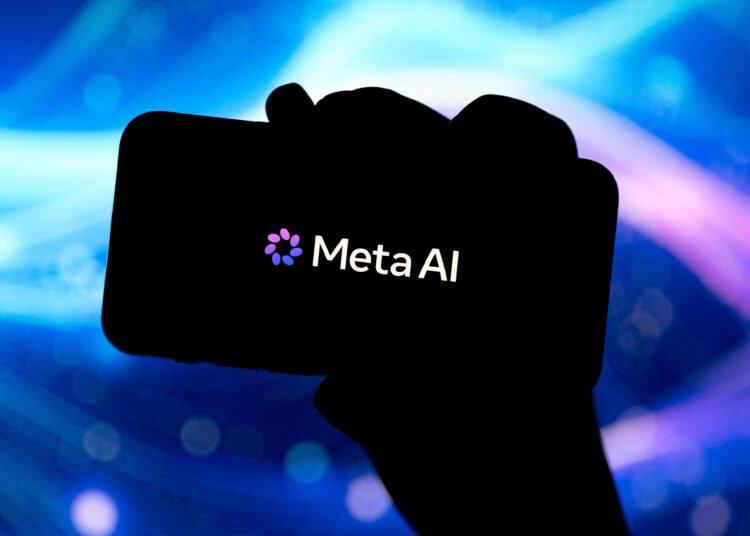
Meta AI is Meta’s artificial intelligence ecosystem: a mix of consumer assistants, open and proprietary models, research programs, developer resources, and AI features inside apps such as WhatsApp, Instagram, Facebook, Messenger, and Meta’s AI app. In practical terms, it is both a chatbot people can use and a broader technology strategy for building more personal, multimodal, and embedded AI experiences across Meta products. (ai.meta.com)
The future of Meta AI is likely to be defined by three connected priorities: more capable models, more useful everyday tools, and deeper integration into social, creative, and wearable experiences. That makes Meta AI important not only as a standalone assistant, but also as a signal for where consumer AI may be heading next.
What is Meta AI?
Meta AI is the name commonly used for Meta’s AI products, research, and model ecosystem. It includes the Meta AI assistant, Llama models, research from Meta FAIR, image and video understanding systems such as Segment Anything, and AI tools built into Meta’s family of apps. Meta describes the assistant as available on the web, in the Meta AI app, and inside WhatsApp, Instagram, Messenger, and Facebook. (ai.meta.com)
This definition matters because “Meta AI” does not refer to just one app. It can mean the assistant you ask for help, the model powering that answer, the research team developing future AI systems, or the product features that edit images, summarize information, recommend content, or help with account support. The most useful way to understand Meta AI is as an AI layer across Meta’s platforms.

Defining characteristics of Meta AI include:
- Consumer access: AI experiences are built directly into apps people already use, reducing the need to switch tools.
- Model development: Meta has invested heavily in large language and multimodal models, including Llama and newer model families.
- Open ecosystem influence: Llama, PyTorch, and several FAIR releases have helped developers and researchers build outside Meta’s own products. (ai.meta.com)
- Multimodal direction: Meta AI increasingly works across text, image, voice, video, and device-based experiences.
- Personalization: Meta’s long-term vision emphasizes AI that can become more useful by understanding user context, goals, and preferences. (meta.com)
A profile of Meta AI and its story
Meta’s AI story began well before today’s chatbot race. In late 2013, Facebook launched Facebook AI Research, known as FAIR, with Yann LeCun as a central figure in its research leadership; Meta later described FAIR’s mission as advancing AI through open research and broad collaboration. (ai.meta.com)
That early research-first approach shaped Meta AI’s identity. Instead of focusing only on closed consumer products, Meta became known for releasing influential tools, models, papers, and datasets that other teams could study and build on. PyTorch is one of the clearest examples: Meta developed and used it as a primary AI framework, and the PyTorch Foundation was later announced to support more open governance around the framework. (ai.meta.com)
The next major shift came with foundation models. Llama gave Meta a prominent role in open large language models, while Segment Anything pushed forward promptable computer vision. Meta’s current direction combines those roots: open research, large-scale model training, product integration, and a push toward personal AI assistants.
Major milestones in Meta AI’s development
The timeline below shows why Meta AI technology is more than a single assistant launch. It is the result of more than a decade of research, infrastructure, and product work.
| Period | Milestone | Why it matters |
|---|---|---|
| 2013 | Facebook AI Research, or FAIR, begins | Established Meta’s long-term AI research foundation. (ai.meta.com) |
| 2017 onward | PyTorch becomes a major open source AI framework | Helped researchers and developers train, test, and deploy deep learning models more easily. (ai.meta.com) |
| 2023 | Segment Anything is introduced | Advanced promptable image segmentation and released a major dataset for vision research. (ai.meta.com) |
| 2023–2024 | Llama models expand | Strengthened Meta’s role in open large language model development and application building. (ai.meta.com) |
| 2025 | Meta AI app launches | Turned the assistant into a more direct destination, with voice, image generation, and editing features. (about.fb.com) |
| 2025–2026 | Meta emphasizes personal superintelligence and newer model systems | Points toward more personalized, agent-like AI across apps and devices. (meta.com) |
These milestones show a pattern: Meta often turns research into infrastructure, then infrastructure into user-facing features. That pattern is central to interpreting meta ai news because product announcements often sit on top of years of research work.
How does Meta AI work in everyday use?
Meta AI works by bringing AI assistance into familiar places: chats, feeds, creative tools, web search-style conversations, and connected devices. A user might ask it to explain a topic, generate an image, help plan an activity, edit creative content, or answer a question inside a messaging thread.
The assistant experience is only the visible layer. Underneath it are models trained to process language, images, voice, and other signals. Meta has also described features such as voice conversations, image generation, and editing in the Meta AI app, while its support assistant is being used for Facebook and Instagram account help. (about.fb.com)
Common meta ai applications include:
- Personal productivity: brainstorming, explaining topics, drafting messages, and organizing ideas.
- Social communication: helping inside group chats, suggesting plans, or creating shareable visuals.
- Creative work: generating and editing images through text or voice prompts.
- Customer and account support: assisting with profile settings, passwords, and account issues in Meta apps. (about.fb.com)
- Developer experimentation: building with Llama models, research releases, and AI tooling.
- Wearable assistance: using AI through smart glasses and other device experiences as Meta expands its hardware strategy.
Meta AI innovations are shaping the future of consumer AI
The most important meta ai innovations are not limited to smarter chat replies. Meta is trying to make AI more ambient: present where people already communicate, create, shop, learn, and capture the world around them.
One major direction is multimodality. Llama 4 was described by Meta as natively multimodal, designed to work with text, image, and video data, and available through Meta AI experiences in major apps. (ai.meta.com) Another is vision: Segment Anything and later SAM releases show Meta’s interest in helping AI systems understand and edit visual content with more precision. (ai.meta.com)
A third direction is personalization. Meta’s “personal superintelligence” framing suggests a future where the assistant is not just answering isolated prompts, but helping people achieve goals across creative, social, and practical contexts. (meta.com) That future could make Meta AI features feel less like a separate tool and more like a built-in layer of digital life.
Meta AI tools, features, and benefits
Meta AI tools are valuable because they meet users in high-frequency environments. Instead of making someone open a separate productivity app, Meta can place assistance inside a message, post, photo workflow, or support journey.
Key meta ai features and benefits include:
- Chat assistance: quick answers, explanations, planning help, and idea generation.
- Voice interaction: a more natural way to ask questions or create content without typing.
- Image generation and editing: useful for creators, casual users, marketers, and visual brainstorming.
- App integration: access across WhatsApp, Instagram, Messenger, Facebook, the web, and the Meta AI app. (ai.meta.com)
- Open model access: Llama resources give developers more room to experiment, customize, and deploy AI systems.
- Research spillover: projects like PyTorch and Segment Anything benefit the wider AI field, not only Meta’s products.
For businesses and creators, the practical benefit is speed: faster drafts, faster visuals, faster support, and faster experimentation. For everyday users, the benefit is convenience: Meta AI can appear in the same spaces where conversations and content already happen.
What challenges will shape Meta AI’s future?
Meta AI’s future will depend on how well Meta balances capability, trust, safety, openness, and business incentives. More personal AI can be more useful, but it also raises higher expectations around privacy, transparency, data use, and control.
There are also competitive pressures. Meta is competing with AI systems from OpenAI, Google, Anthropic, Apple, Microsoft, and open source communities. Its advantage is distribution: billions of people already use Meta apps, and that gives Meta a powerful path for adoption if the tools are helpful and trusted.
Common misconceptions to avoid:
- “Meta AI is only a chatbot.” It is also a research program, model ecosystem, and product layer.
- “All Meta AI tools are the same everywhere.” Features can vary by app, region, device, and rollout stage.
- “Open models mean no restrictions.” Open access still comes with licenses, acceptable use policies, and safety considerations.
- “Personalization is automatically better.” It is valuable only when users understand and control how AI uses context.
The future of Meta AI is integrated, multimodal, and personal
The future of Meta AI will likely be less about one dramatic product and more about a steady expansion of AI across daily digital behavior. Expect more voice-first interactions, stronger image and video tools, deeper app integration, more developer resources, and AI that works across screens, chats, feeds, and wearables.
For users, the best way to evaluate meta ai technology is practical: does it save time, improve creativity, answer accurately, and respect boundaries? For the AI field, Meta AI’s biggest contribution may continue to be its combination of open research, large-scale distribution, and consumer product experimentation. That combination makes Meta AI one of the most important ecosystems to watch as AI moves from novelty to everyday infrastructure.