
Navigating the world of online learning can be challenging. Professionals seek high-quality courses that offer real career value. This review examines GetSmarter, a prominent provider in this space.
GetSmarter partners with world-class universities to deliver professional certificate programs. It focuses on areas like leadership, business, and disruptive technology.
Our analysis asks a critical question. Does the investment in these courses deliver sufficient value for money? We will break down the entire offering to help you decide.
This detailed review covers the course catalog, the cohort-based learning model, and the user experience. We weigh the prestige of university partnerships against reported operational issues.
Key Takeaways
- This analysis provides a comprehensive review of the platform’s course catalog and value proposition.
- We evaluate the structured, cohort-based learning model and weekly time commitments.
- The user experience of GetSmarter is assessed, including direct student feedback.
- University partnerships with schools like MIT and Oxford are weighed against student-reported issues.
- Key advantages such as high satisfaction rates and reputable certificates are highlighted.
- Significant drawbacks, including platform bugs and customer service complaints, are documented.
- Privacy concerns related to the mandatory ID verification process are addressed.
What is GetSmarter? An Overview of the Online Learning Platform
A specialized company has carved a niche by connecting professionals with rigorous, short-term certificate programs. This provider, operating under the parent organization 2U, focuses exclusively on non-degree professional development.
Its core mission is to facilitate career evolution through lifelong learning. GetSmarter delivers cutting-edge skills in high-demand fields like leadership, disruptive technology, and sustainability.
Unlike open, self-paced learning platforms, this service employs a curated, cohort-based model. Courses are developed in direct partnership with world-renowned universities such as MIT, Oxford, and Cambridge.
A data-driven methodology identifies the most relevant skills for the current job market. This approach aims for industry-leading course completion rates and strong student outcomes.
Programs are intensive, typically spanning six to twelve weeks. They require a significant weekly time commitment, mirroring the pace of real-world professional development.
GetSmarter positions itself as a serious educational provider for career advancement. A full support team, including dedicated Success Advisors and subject matter experts, offers 24/7 assistance.
The business model is built on a premium online education experience. This is reflected in course prices, which often range from several hundred to several thousand dollars.
Understanding this overview is crucial. You must evaluate if this structured, high-touch approach aligns with your personal learning style and professional goals.
GetSmarter Course Catalog: From Short Courses to Tech Microcredentials
Choosing the right program requires understanding the catalog’s three primary segments. These are short courses, tech microcredentials, and executive stacks.
Each format targets a different professional development depth. Your career goals and available time will guide your course selection.
Short Courses in Business, Leadership, and Sustainability
These programs are the core offering for many professionals. They typically run for six to eight weeks.
A weekly commitment of six to ten hours is standard. The focus is on practical, immediately applicable skills.
Student satisfaction rates are often high and publicly displayed. For example, the Women’s Leadership Program reports a 95% satisfaction rate.
Other popular short courses include Real Estate Economics and Finance. This eight-week program demands seven to ten hours per week.
The Supply Chain Management program integrates AI and sustainability topics. It also maintains a strong 92% satisfaction score.
These short courses provide a solid return on investment for skill building. They are designed for busy individuals seeking focused business education.
In-Depth Tech Microcredentials for Data and AI
For those seeking technical proficiency, this category is essential. It includes rigorous programs in high-demand fields.
The Data Analyst and Data Science microcredentials each span ten weeks. They require a serious twelve-hour weekly commitment.
The AI Developer course condenses this intensity into six weeks. Students should expect ten to twelve hours of work per week.
These courses are engineered for career pivots or deep upskilling. The schedule mirrors a part-time job.
Mastering artificial intelligence or data analytics through these programs signals strong capability. They are among the most demanding online courses available.
Executive Programme Course Stacks for Deep Dives
This tier represents the most comprehensive professional development offering. It combines multiple modules for a transformative learning experience.
The Cambridge Sustainability Leadership Executive Programme lasts twenty-seven weeks. It requires six to ten hours of study each week.
Similarly, the Oxford AI-Driven Business Transformation program runs for twenty-two weeks. The weekly commitment is seven to ten hours.
These courses are suited for senior leaders and strategists. The long-term commitment promises deep subject mastery.
Completing an executive stack results in a prestigious certificate completion document. It is a notable credential for any career portfolio.
The GetSmarter catalog also features shorter two-week micro courses. Options like Data Storytelling and Critical Thinking offer quick skill injections.
Prospective students must carefully weigh the time investment. Weekly hour commitments vary greatly across categories.
This structured approach allows for targeted, cohort-based learning. However, it locks participants into a fixed schedule from the start date.
There is no self-paced flexibility here. Your course journey follows a predetermined timeline.
How GetSmarter Works: The Cohort-Based Learning Model
The operational backbone of this educational provider is its cohort-based learning model. You join a group of peers who all start and finish on the same fixed dates.
This synchronous approach creates a shared academic journey. It fosters community and peer interaction throughout the program.
Your progress is locked to a weekly schedule from day one. This structure is designed for maximum accountability and completion rates.
It contrasts sharply with self-paced online learning platforms. You must manage your calendar around the predefined deadlines.
Weekly Time Commitment and Course Structure
The required weekly effort is clearly stated before you enroll. For a standard eight-week short course, expect seven to ten hours of work.
Tech microcredentials often demand twelve hours per week. This time commitment is non-negotiable and essential for success.
Each course is divided into weekly modules. These modules contain video lectures, curated readings, and discussion prompts.
Practical assignments and graded quizzes are common. Deadlines for all tasks are strict and enforced by the system.
This disciplined pace helps many professionals build skills efficiently. However, it offers zero flexibility for unexpected work or life conflicts.
The Role of Success Advisors and Tutor Support
Every student is assigned a dedicated Success Advisor. This person acts as your primary contact for non-academic support.
Advisors help with platform navigation and time management. They provide motivational check-ins to keep you on track.
Academic content and feedback come from a separate team. Subject matter experts and tutors lead live webinars and grade assignments.
These tutors often have direct ties to the partner university. Their expertise directly impacts the quality of the learning experience.
The effectiveness of this high-touch model depends on the individuals. Responsiveness can vary between different advisors and tutors.
This support structure is a major selling point for GetSmarter. It aims to replicate the guidance found in a traditional classroom.
The GetSmarter Platform: User Experience and Technology
A platform’s performance can make or break the value of an online course. This digital environment hosts all video lectures, readings, and assignments.
It also contains community forums and submission portals. The technology must be reliable for a smooth learning journey.
Many students report a positive experience with no major technical issues. They complete their programs without significant hindrance.
However, a substantial number of user reviews tell a different story. They describe the interface as non-intuitive and frustrating to navigate.
Common complaints include systems full of bugs and endless loading loops. The mandatory identity verification process is a frequent point of failure.
These glitches can block access to essential course materials. Automated systems sometimes fail to record grades or submissions correctly.
Such technical shortcomings are significant. Students pay a premium price for these online courses.
They rightly expect a seamless technological experience from a world-class provider. Persistent bugs undermine the quality of the education.
The mobile app experience adds another layer of concern. The application is often criticized for being unreliable.
It can add to user frustration instead of enabling on-the-go learning. This limits flexibility for busy professionals.
When platform errors interfere with assignment submission, a major problem arises. The service’s inflexible deadline policy compounds the issue.
Students may face unfair penalties due to technical faults. This creates a stressful situation that overshadows good content.
Evaluating the platform’s stability is a crucial step. Technical difficulties can turn a valuable opportunity into a stressful ordeal.
Prospective students should read recent reviews about GetSmarter. They must consider their own tolerance for troubleshooting.
Reliable customer support is essential when problems occur. The responsiveness of the service team becomes critical.
Your course selection should account for this technological variable. The promise of prestigious certificates depends on a functional system.
Weigh the reported issues against your personal tech comfort level. This will help you make an informed decision about your online education investment.
Partnerships with Top Universities: The Brand Appeal
A certificate bearing the name of a world-class university carries significant weight on a resume. This is the core of the provider‘s brand appeal.
The company has exclusive agreements with elite institutions. These include MIT Sloan, Oxford, Cambridge, Yale, and Stanford.

Marketing emphasizes “Top universities. Top professors. Top education.” This suggests direct academic collaboration and rigorous content.
However, some user reviews raise questions. They allege the assigned tutors may have little direct connection to the advertised school.
This can potentially dilute the brand promise. It’s a point to consider during your course selection.
The prestige factor is a major differentiator. It justifies a premium price in the crowded online education market.
For career-focused learners, this association offers clear value. The certificate completion document is a tangible credential.
It is crucial to scrutinize the partnership nature. The certificates come from the university.
Yet the delivery, platform, and student support are managed by the service team. This separation is important to understand.
The value extends beyond the paper. Some positive reviews mention networking and exclusive alumni access.
High expectations for quality and service are set by these brands. When operations fall short, it reflects on the partner.
Ultimately, these partnerships are a compelling reason to consider GetSmarter. They must be evaluated alongside the platform’s own execution.
Key Advantages of Choosing GetSmarter
Several distinct strengths set this provider apart in the competitive online education market. These benefits form a compelling case for professionals seeking a rigorous, results-oriented path.
Understanding these advantages helps you assess the potential return on your investment. They address common pain points in professional development.
Structured, Deadline-Driven Learning for Accountability
The structured, cohort-based model is a primary benefit. It provides external accountability that many self-paced platforms lack.
Fixed weekly deadlines and a shared peer journey combat procrastination. This discipline significantly boosts course completion rates.
For professionals who need a framework to succeed, this is ideal. It turns intention into consistent skill acquisition.
High Student Satisfaction Rates on Specific Courses
Publicly displayed satisfaction scores offer a transparent quality signal. Many programs report exceptionally high ratings from past participants.
The Women’s Leadership Program, for example, boasts a 95% satisfaction rate. The Supply Chain Management course holds a strong 92%.
Real Estate Economics and Finance reports a 91% score. These data points indicate where the content and delivery excel.
Prospective students can use these rates to inform their course selection. High scores generally reflect a rewarding learning experience.
Certificate of Completion from Prestigious Institutions
The most tangible advantage is the certificate of completion. These documents are issued directly by world-class partner universities.
Earning a credential from Oxford, Cambridge, or MIT carries significant weight. It provides credentialed proof of skill for your career portfolio.
This formal recognition can open doors and justify the financial investment. It is a certificate recognized by employers globally.
The combination of structured learning, vetted content, and reputable certification is powerful. It creates a package designed for serious advancement in fields like business and AI.
It is crucial to note that these advantages can be course-dependent. Satisfaction rates vary, and the fixed schedule may not suit everyone.
Weighing these proven benefits against any potential drawbacks is essential. This balance leads to an informed enrollment decision.
Significant Drawbacks and User Complaints
Behind the prestigious branding, numerous students have encountered frustrating obstacles that impact their learning journey. Independent review sites are filled with consistent complaints about three core areas.
These issues directly affect the return on your educational investment. They represent a substantial risk you must consider before enrolling.
Persistent Platform Bugs and a Non-Intuitive Interface
The digital platform is a frequent source of frustration. Users describe it as horrendous and not intuitive.
Glitches include systems full of bugs and endless loading loops. These errors can block access to critical course materials at crucial times.
Submission portals sometimes fail to record assignments. This creates a high-stress situation right before a deadline.
Such technical faults detract from the learning experience. They transform skill building into a troubleshooting exercise.
The mobile app is often reported as unreliable. This limits flexibility for professionals who need to learn on the go.
Inflexible Policies on Deadlines and Refunds
The company is known for strictly enforcing its policies. There is little room for exceptions, even during documented emergencies.
Reviews cite cases where extensions were refused despite medical documentation. Refunds are also reportedly denied under similar circumstances.
This rigidity creates a feeling of being trapped after payment. The service appears to prioritize rules over student welfare.
The misalignment between marketing and operational reality is stark. You commit a substantial sum of money with no safety net.
Life events do not pause your course timeline. This lack of empathy is a major pain point for many.
Poor and Unresponsive Customer Service
When problems arise, the customer service team often fails to help. Students report unhelpful and dismissive responses from support agents.
Long wait times and automated answers are common. Basic administrative or technical questions go unresolved.
This poor support leaves learners feeling abandoned. High-stakes issues like missing certificates or payment disputes become nightmares.
The customer experience contradicts the promise of a high-touch educational provider. Reliable customer support is essential for any premium online course.
Together, these drawbacks create a systemic risk. Paying for a course might lead to technical hurdles, rigid deadlines, and unhelpful service.
The concentration of such complaints suggests they are not isolated incidents. Acknowledging them is crucial for an informed course selection.
Your money and time deserve a platform that works reliably and a company that supports its students.
The Jumio ID Verification Controversy: A Privacy Red Flag
The use of a specific third party service for ID verification raises serious data security questions. This mandatory step is required before you can access any course materials on the platform.
You must upload a government ID and take a live selfie. The system is operated by a company called Jumio.
This process has sparked significant privacy concerns among students. Jumio has a documented history of legal challenges.
It faced lawsuits under the Illinois Biometric Information Privacy Act (BIPA). The allegations involve mishandling biometric data like facial scans.
Many users call this a massive privacy red flag. They worry sensitive information is retained beyond the verification period.
The controversy is heightened by a lack of alternatives. The provider does not allow other services like ID.me or Clear.
Compliance is forced, with no opt-out available. This policy creates a major hurdle for professionals in regulated business sectors.
For those concerned with data security, it can be a deal-breaker. Sharing biometrics with a controversial third party carries inherent risk.
Customer support offers little reassurance. Reports indicate dismissive responses to questions about this process.
The service team treats the policy as non-negotiable. This erodes trust in the company‘s commitment to student welfare.
The issue highlights a broader tension. Operational requirements clash with individual rights to privacy and security.
Prospective learners must weigh this necessity against personal comfort. Your career goals should include an assessment of this experience.
The Jumio requirement adds an extra layer of complexity. Many competing online learning platforms do not have this step.
It introduces a risk factor not present elsewhere. Your decision to enroll should account for this verification hurdle.
Consider your tolerance for sharing personal identification data. The verification process is a fixed part of the platform‘s education model.
GetSmarter mandates this step to start your learning journey. Understanding its implications is crucial for an informed course selection.
Analyzing GetSmarter’s Cost and Value for Money
Assessing value for money separates a worthwhile career investment from a costly mistake. These professional programs demand a serious financial commitment.
User reviews report paying $2,500, $4,800, and even €3,000 for single courses. This indicates a typical range of $2,000 to $5,000 or more.
The high cost is justified as a premium for top university brands and comprehensive support. It reflects the structured learning model and dedicated service team.
Your evaluation must look at several factors. Consider the quality of the content, the prestige of the certificate, and the overall student experience.
Effective customer support is another critical component. These elements together define the real return on your investment.
When the platform functions smoothly, the investment can pay off. Gaining in-demand skills in business or artificial intelligence leads to real career advancement.
The certificate completion from a world-class institution adds tangible value. This positive outcome makes the spent money feel justified.
Many reviews, however, tell a different story. Reports of a buggy platform and unresponsive service drastically undermine value.
Students can feel they wasted their money if technical issues block their progress. The experience becomes frustrating instead of educational.
The financial risk is substantial due to inflexible policies. Needing an extension for any reason might mean losing your entire investment.
You could forfeit thousands of dollars without receiving the promised certificate. This possibility makes the decision high-stakes.
Comparing costs to other online learning platforms is a smart step. Alternatives like Coursera Professional Certificates often provide more affordable and flexible online courses.
Ultimately, the value proposition of GetSmarter courses is highly volatile. It depends heavily on your specific course selection and luck with the platform.
It represents a potentially high-reward but also high-risk financial decision. Weigh the potential for career growth against the chance of a poor learning experience.
Real User Experiences: Positive Testimonials vs. Critical Reviews
Independent reviews paint a sharply divided picture of this educational platform. Your research will reveal two opposing camps of feedback.
This polarization makes independent investigation crucial. You cannot rely on marketing claims alone.
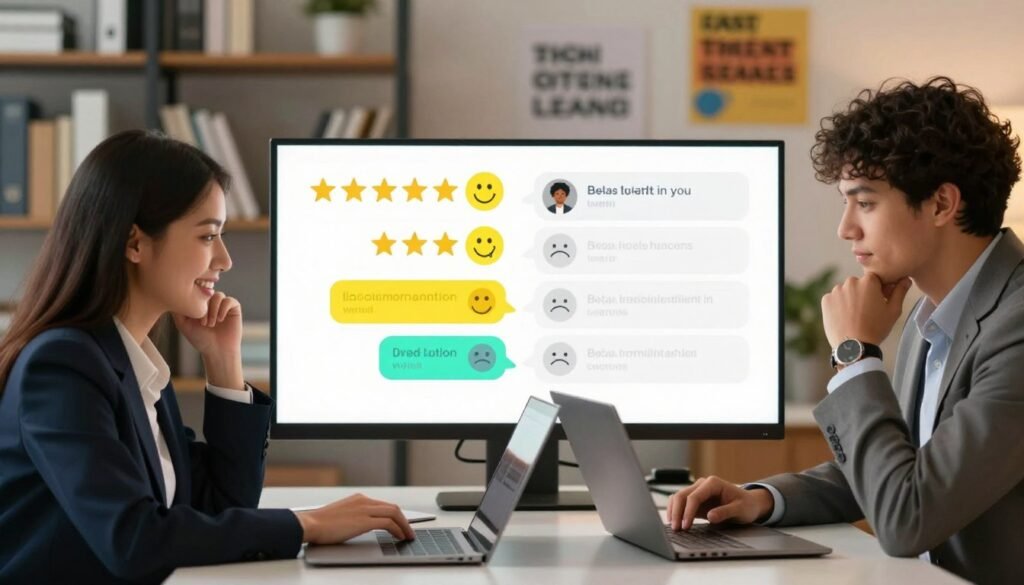
One group of students reports transformative learning journeys. The other describes costly frustrations and broken promises.
Understanding this spectrum is vital for your decision. It highlights the inconsistent nature of the student experience.
Reports of Excellent Course Content and Tutor Quality
Many positive reviews highlight outstanding program quality. Students praise specific courses for their rigorous material.
One user called all their courses excellent. They singled out a Yale program as being outstanding.
Others valued direct interaction with expert tutors. “Face time with genuine Oxford tutors” was a noted benefit.
In these cases, teaching assistants and support teams were very responsive. This led to a strong sense of achievement.
The process culminated in the timely receipt of a certificate of completion. These students felt their investment delivered clear value.
Allegations of Scam-Like Behavior and Withheld Certificates
Critical reviews tell a starkly different story. They form a disturbing pattern of complaints.
Users frequently allege scam-like behavior from the company. Common phrases include, “I feel that I got scammed.”
The most severe allegation involves withheld certificates. Students report paying thousands and receiving nothing in return.
“They told me I would get a certificate. I didn’t get anything,” is a direct quote from one review. Others call the situation horrible and very close to a scam.
These accounts often cite minor deadline misses or platform errors as the cause. The result is a total loss of investment with no credential.
The stark contrast suggests service quality is inconsistent. It may depend on your specific course or support staff.
Reading a wide range of recent reviews is necessary. Focus on feedback about certificate issuance and customer support.
The risk of a negative outcome with financial loss is real. You must weigh the potential for excellent content against this documented possibility.
Who Are GetSmarter Courses Best Suited For?
Not every online learning platform fits every professional’s needs and circumstances. The structured model of these programs creates a specific ideal learner profile.
Success depends on matching your personal situation to the platform’s demands. This alignment determines if you will find real value for money.
These courses are best for disciplined professionals. They thrive in a structured, deadline-driven environment.
External accountability helps them complete their learning goals. The cohort model provides this necessary framework.
Ideal candidates are often mid-to-senior level career individuals. They look to upskill or pivot into new roles.
They value the prestige of a university-branded certificate. A credential from MIT, Oxford, or Cambridge boosts their resume.
These learners have a stable weekly schedule. They can commit 6 to 12 hours per week consistently.
The program length ranges from six to twenty-seven weeks. Unexpected interruptions are rare in their work or life.
They are less sensitive to price. Investing a premium for perceived higher quality is acceptable.
They seek curated content and direct access to experts. The support team and subject matter experts add value.
This learner profile is comfortable with technology. They understand the getsmarter platform may have glitches.
A tolerance for troubleshooting is necessary. Some reviews highlight technical issues during the experience.
Strong customer support becomes critical when problems arise. The responsiveness of the service can make a difference.
GetSmarter is not well-suited for everyone. Individuals with unpredictable schedules should avoid it.
Those who require complete flexibility will struggle. The fixed start date and deadlines offer no leniency.
Learners on a tight money budget face significant risk. Losing a large sum due to changed circumstances is possible.
It is a poor fit for anyone with major privacy concerns. The mandatory third party ID verification is a hurdle.
The platform serves a niche audience of motivated professionals. For them, the structured model and brand recognition outweigh the drawbacks.
Your course selection should be a careful decision. Assess your career goals, available time, and risk tolerance.
This online education path demands a serious commitment. Ensure your profile matches the ideal student archetype before you enroll.
Top GetSmarter Alternatives for Professional Online Learning
The market for professional upskilling is rich with alternatives that prioritize flexibility and technical reliability. If the structured model of one provider does not fit your needs, other online learning platforms offer compelling paths.
Comparing these options is a smart step. Your course selection should align with your schedule, budget, and learning style.
Many professionals seek similar high-quality content without rigid deadlines. Several well-established learning platforms deliver this experience.
They partner with top universities and companies worldwide. This ensures the quality of the education remains high.
Platforms with More Flexible Learning Schedules
For those needing autonomy, platforms like Coursera, edX, and FutureLearn are excellent. They offer university-partnered courses with self-paced or flexible schedule options.
You can often start a course at any date. Deadline extensions are usually available for a small fee.
This makes them better for busy or unpredictable lifestyles. You control your weekly time commitment more easily.
Coursera Specializations and Professional Certificates are notable. They provide rigorous content from partners like Google and IBM.
These programs mix video lectures with hands-on projects. Their cost is frequently lower than many comparable online courses.
edX MicroMasters programs offer a series of graduate-level courses. They provide a pathway to academic credit from top schools.
This structure is academic without reported customer support issues. It suits professionals planning a deeper career shift.
FutureLearn focuses on social learning with short short courses. Its model encourages discussion among students.
All three platforms allow you to learn at your own pace. This flexibility is a major advantage for many working adults.
Providers with Stronger Technical Platforms and Support
If a reliable digital experience is your top priority, consider Udacity or Pluralsight. These providers are built specifically for tech skills.
They feature highly refined and stable learning environments. The platform itself is designed for technical learning.
Udacity’s Nanodegree programs are project-based and intensive. They include career services and mentor support.
While some are cohort-based, the platform technology is robust. Students rarely report the bugs seen elsewhere.
These programs are strong in fields like data science and artificial intelligence. The experience is tailored for building a portfolio.
Pluralsight offers a vast library of skill assessments and video courses. Its platform is known for seamless streaming and progress tracking.
It serves IT and software development professionals directly. The team behind the platform focuses on technical excellence.
For a more academic yet stable option, edX also excels. Its open-source platform is widely praised for usability.
You avoid the getsmarter platform issues mentioned in many reviews. This reliability protects your investment of time and effort.
Comparing these alternatives is essential. They may lack the intensive hand-holding of a dedicated Success Advisor.
Yet they often compensate with greater schedule freedom and lower prices. Their stable platforms reduce technical stress.
The choice depends on your personal priorities. Do you value strict structure and brand prestige above all?
Or is flexibility and a smooth technical experience more important for your online education? Weigh these factors carefully.
Research recent reviews for any provider you consider. Look for feedback on certificate completion and customer support.
Your final decision should match your learning goals and life constraints. The right online course can propel your career forward.
Getting Started with GetSmarter: Enrollment and Verification Process
The path from course selection to your first lecture involves several critical steps. These steps can directly impact your initial learning experience.
Your journey begins by choosing a program from the catalog. You must note its specific start date and application deadline.
Courses begin on fixed dates throughout the year. After selecting your program, you must process payment.
This payment is often a significant sum. It is typically made via credit card or bank transfer.
A mandatory identity verification follows payment. This step uses a specific third party service called Jumio.
You must upload a government-issued ID. A live selfie is also required for the process.
Many user reviews report this step failing. Students get stuck in an endless loop of ID verification.
This can block access to the platform even after the official course start date. It is a major hurdle for new students.
Complete your enrollment and verification well in advance. This avoids the common complaint of missing login credentials on day one.
Be prepared for potential payment hiccups. Some reviews mention lost bank transfers.
Reconciling payments with the finance team can be difficult. Proactive communication is key.
Once successfully verified, you gain access. You will be introduced to your Success Advisor and cohort.
This usually happens a few days before the first module goes live. Understanding this process helps set realistic expectations.
Delays and technical issues during enrollment are not uncommon. They require patience and prompt contact with customer support.
Prospective students should factor this start-up phase into their decision. If you need immediate access upon commencement, consider the potential for delays.
Final Verdict: Should You Enroll in a GetSmarter Course?
Based on the compiled data, the platform presents a high-risk, high-reward proposition. Our final review cannot give a simple yes or no answer.
The verdict is a conditional one. It depends entirely on your personal profile and tolerance for risk.
You should consider these courses if you are a disciplined professional. The structured model works for those who need external accountability.
It suits individuals who can lock in a rigid weekly schedule for 6 to 12 weeks. Prioritizing a certificate from a top-tier university is also key.
The potential for an excellent learning experience is real. This is especially true for short courses with documented high satisfaction rates.
When the content is good and the platform works, the value for your career can be significant.
However, you should avoid this path if you require flexibility. Life or work events will not pause your course timeline.
It is a poor choice if you are on a tight budget. Losing the money you invested would be a serious problem.
Steer clear if you have major data privacy concerns. The mandatory third party ID verification is a firm requirement.
A low tolerance for technical bugs and poor customer support is another red flag. Many reviews highlight these persistent issues.
The financial risk here is substantial. Problems outside your control could lead to a total loss.
You might not receive the promised certificate of completion. This makes the decision high-stakes.
For those on the fence, exploring alternatives is a prudent first step. Platforms like Coursera or edX offer similar online courses.
They often provide more flexibility and a lower-risk online education model. Their technical platforms also tend to be more reliable.
If you decide to proceed, your course selection requires thorough research. Read recent reviews for that specific program.
Ensure your schedule is completely clear for the duration. Complete all verification steps well before the start date.
This helps mitigate common startup problems reported by students.
Ultimately, this provider can be worth it for the right student under perfect circumstances. The structured learning and brand prestige are powerful draws.
Yet, it is far from a universally safe or recommended choice in the world of online learning. Your decision must weigh the potential for high reward against the documented possibility of a poor experience.
Conclusion
In summary, the choice to enroll in a GetSmarter course hinges on a careful personal risk-reward calculation. This review has scrutinized the platform‘s structured model and university-branded certificates against its operational flaws.
The provider offers a legitimate route for career advancement. Successful completion can enhance your professional profile.
However, consistent user reports of a buggy platform, rigid policies, and poor customer support present real financial and experiential risks. The mandatory third-party ID verification also raises privacy concerns.
Your decision must balance the desire for a prestigious credential with tolerance for potential technical frustration. For disciplined professionals with predictable schedules, this investment might pay off.
For others, more flexible and reliable online learning platforms may be a safer choice. Always read recent student reviews and understand all policies before committing funds.
Proceed with caution, clarity, and realistic expectations.