
The digital economy thrives on the buying and selling of online assets. For entrepreneurs and investors, finding the right platform is the first critical step.
One marketplace dominates this space. It connects buyers and sellers of websites, ecommerce stores, and apps. This platform has powered over 100,000 acquisitions globally.
Its AI system generates 425,000 buyer matches every week. This volume makes it a premier hub for online businesses.
This article provides a complete review. It will help you understand how the business of acquiring digital assets works. We cover the process, fees, and strategies for success.
Our goal is to save you time and provide actionable insights. Whether you want to buy an income stream or sell a project, this guide is essential.
Key Takeaways
- The marketplace is the world’s largest for digital assets like websites and online stores.
- It facilitates a high volume of transactions, connecting a vast network of buyers and sellers.
- This review is designed for both potential buyers and sellers entering the market.
- We will break down how the platform operates, including its fee structure and listing process.
- Understanding this ecosystem can help you make informed decisions and achieve your goals.
- The platform serves as a critical tool for building or exiting an online business.
- Actionable tips for success will be covered to maximize your experience.
What is the Flippa Marketplace?
The story of the world’s largest digital marketplace begins with a strategic spin-off. It launched in 2009, emerging from the SitePoint community, a respected resource for web professionals.
This origin provided a strong foundation of knowledge and an initial user base. For over a decade, the platform has been a cornerstone of the online business ecosystem.
From SitePoint Spin-off to Global Marketplace Leader
Starting as a niche hub for websites and domains, its scope expanded significantly. It evolved into a global leader for a wide array of digital assets.
Today, the marketplace handles everything from established ecommerce stores to mobile apps and SaaS platforms. This growth is backed by a community of millions of registered members.
Its longevity of fifteen years establishes deep market authority. It has fundamentally shaped how people buy and sell online properties.
The Core Mission: Connecting Buyers and Sellers of Digital Assets
The core mission is straightforward. It exists to connect individuals and businesses for digital asset transactions.
The platform itself is not a direct buyer or seller. Instead, it provides the essential infrastructure, tools, and audience.
This peer-to-peer model facilitates the entire process. It helps website owners exit their projects and allows others to purchase income streams.
For any serious review of this space, understanding this mission is critical. It saves all parties significant time and effort in finding counterparties.
The vast network of buyers and sellers creates a dynamic and active marketplace. This scale is its primary advantage for anyone running an online business.
How Does Flippa Work? The Marketplace Model Explained
Successful use of any online trading hub requires a clear grasp of its fundamental processes. This section breaks down the operational model that powers transactions.
A Peer-to-Peer Platform, Not a Direct Seller
The marketplace operates on a peer-to-peer principle. It functions as a venue, not a merchant that owns the assets.
Individual sellers list their online properties for sale. Buyers then browse and evaluate these opportunities directly. The platform provides the infrastructure for this connection.
This model saves significant time for both parties. It removes the need to find counterparties through scattered networks.
Primary Transaction Methods: Auction vs. Fixed Price “Buy It Now”
Sellers have two main formats for their listing. The first is a traditional auction with a set duration and bidding.
This method can create competitive interest among buyers. The second option is a fixed “Buy It Now” price.
This allows for an immediate transaction. The choice depends on the seller’s strategy and the business type.
The typical user journey is straightforward. A seller creates a detailed listing with financial data.
Buyers discover it, ask questions via integrated tools, and make an offer. The deal is then finalized securely.
The Role of Flippa’s Advisory and Brokerage Services
Beyond the self-service model, optional professional service is available. A dedicated advisory and broker team can guide sellers.
This help includes accurate business valuation and marketing strategy. Advisors optimize the listing to attract serious buyer interest.
They also manage the paperwork and communication flow. This creates a more streamlined process from start to finish.
The platform offers integrated tools like a secure deal room. Call scheduling and data verification features are included.
Users can choose their level of support. Options range from a fully managed broker-assisted sale to a completely independent transaction.
This flexibility suits different types of online business owners. It adapts to their experience and the complexity of the process.
What Can You Buy and Sell on Flippa?
From hobbyist projects to multi-million dollar enterprises, the types of assets available for acquisition are remarkably diverse. The marketplace categorizes these opportunities to help you navigate.
You can find everything from fresh ideas to established income streams. This variety suits all investment levels and goals.
Websites: Blogs, Affiliate Sites, and Content Hubs
Content-based websites form a core category. These are often monetized through advertising networks or affiliate marketing.
A common type is the niche blog focused on a specific topic. Affiliate marketing sites generate sales commissions by reviewing products.
Larger authority content hubs have substantial traffic and editorial teams. These assets typically show several months of stable revenue history.
Ecommerce Businesses: Shopify, Amazon FBA, and Dropshipping
Ready-to-run online businesses in this sector are very popular. Sellers list pre-built Shopify stores with existing product lines.
Amazon FBA (Fulfillment by Amazon) brands are also prevalent. These operations leverage Amazon’s logistics for storage and shipping.
Dropshipping models, where the seller holds no inventory, are another option. Each business model has different operational complexities and profit margins.
SaaS Platforms and Mobile Apps
These are more technical, software-based assets. SaaS (Software as a Service) platforms offer recurring subscription revenue.
They solve specific problems for businesses or consumers. Mobile apps for iOS and Android are also active listings.
They might be games, utilities, or productivity tools. Both SaaS and app businesses are valued heavily on their user growth and retention.
Premium Domain Names
The marketplace also serves the domain investor community. Selling websites isn’t the only activity here.
You can buy and sell premium, undeveloped domains. These are short, brandable names with high perceived value.
Some listed domains are “parked” and already generating type-in traffic revenue. This asset class is purely speculative, based on future development potential.
Starter Sites and “Side Hustles” Under $2,500
A dedicated section caters to new investors. These are low-cost websites and projects marketed as entry points.
They might be simple blogs with a few articles or basic ecommerce sites. The asking price is typically under $2,500.
They offer a fast start with minimal capital outlay. The goal is often to acquire a foundation and grow it yourself.
The financial range is immense. Current listings show asking prices from $500 to over $10 million.
Valuation multiples are clearly displayed. You might see a business listed at 5.3x its annual net profit or 4.3x its revenue.
This data provides a tangible sense of market value. It highlights the platform’s role for every type of digital entrepreneur.
A Step-by-Step Guide to Buying a Website on Flippa
Navigating the purchase of an online business requires a clear, methodical plan to mitigate risk. This five-step guide turns a complex process into a manageable checklist for buyers.
Following these steps saves time and helps secure a safe investment. It transforms browsing into a disciplined acquisition strategy.
Step 1: Define Your Niche, Budget, and Skill Set
Begin with honest self-assessment before you look at any listings. Determine your investment goals and operational skills.
Define the specific business type you want to acquire. Are you skilled in content marketing, ecommerce, or software?
Choose a familiar niche where you can add value. Set a firm budget range and stick to it during your search.
This upfront work provides crucial focus. It prevents wasted time on unsuitable sites.
Step 2: Use Advanced Filters to Find Quality Listings
The marketplace’s search tools are your best ally. Use advanced filters to narrow down opportunities effectively.
Filter by price, monthly revenue, traffic source, and business age. Prioritize listings for websites at least two years old.
This helps avoid scams and immature projects. Save your searches to receive daily email alerts for new matches.
Expect to research for several weeks. This diligent filtering is the first layer of due diligence.

Step 3: Conduct Thorough Due Diligence on a Listing
Never skip deep investigation. Scrutinize every piece of data a seller provides in their listing.
Verify traffic sources through Google Analytics reports. Check revenue proof with payment processor screenshots.
Review expense reports to understand net profit. Assess the technical health of the website.
Also, check the seller’s transaction history and ratings on the platform. This process confirms the business is as advertised.
Step 4: Engage with the Seller and Ask Critical Questions
Direct communication is essential. Use the platform’s tools to message the seller with your questions.
Ask about the reason for the sale. Inquire about traffic consistency and seasonality.
Discuss growth opportunities and daily operational requirements. Understand the exact asset transfer process.
Schedule a video call for a live screen share. This lets you verify earnings data firsthand before committing.
Step 5: Using Escrow to Secure Your Transaction
The final step protects your capital. Always use the integrated escrow service for the deal.
This service holds the buyer’s funds securely in a third-party account. The money only releases after all assets are successfully transferred.
You typically get a seven-day inspection period. Use these days to verify you have received full access and control.
This help ensures a safe buying selling transaction. It is a non-negotiable step for a secure sale.
Essential Tips for Buyers: Avoiding Scams and Finding Gems
Acquiring an online business demands a strategy focused on verification and security. The open marketplace offers immense opportunity but requires a disciplined approach.
Smart buyers use specific filters to navigate risk. These tips help you identify real value and avoid common pitfalls.
Prioritize Listings with Verifiable Data and History
Your first filter should be proof. Always prioritize listings that provide direct access to verified performance data.
Look for connected Google Analytics dashboards or Stripe revenue reports. This transparency is a strong positive signal.
Be highly skeptical of claims without screenshots or live data feeds. Common red flags include vague descriptions and lack of historical records.
Check the seller’s account age and transaction history on the platform. A positive track record over several years builds trust.
New accounts with no reviews require extra caution. Never move communication off the official marketplace before a deal is secured.
Understand Business Valuation: The “Multiple” of Profit
Knowing how an online business is priced is crucial. Valuation typically uses a multiple of its monthly or annual net profit.
For example, a website earning $1,000 per month might sell for 24 to 36 times that amount. This equals a price between $24,000 and $36,000.
Multiples on this platform are often lower than those from traditional brokers. A good deal might be under 20 times annual earnings.
This represents potential value for buyers. It also reflects the higher-risk environment with less vetting.
Compare the asking multiple to the business’s age, traffic sources, and growth trends. This way, you assess if the profit is sustainable.
Why You Should Always Use Flippa’s Escrow Service
The final and most critical rule is to use the integrated escrow service for every transaction. This is non-negotiable for security.
This service holds the buyer’s payment in a secure third-party account. Funds only release after you confirm successful asset transfer.
You typically get a seven-day inspection period post-sale. Use this time to verify you control the website, domains, and revenue accounts.
It prevents fraud and ensures a safe selling process. Refusal to use escrow is a major red flag.
Patience is key. Finding a quality asset requires sifting through many listings over months.
Ask detailed questions and verify everything. These filters transform a vast marketplace into a source of solid opportunity.
How to Sell Your Website or Online Business on Flippa
Exiting your online venture successfully hinges on a well-executed selling strategy. This guide outlines a four-step process to maximize your chances of a profitable sale.
Presenting your business in its best light to a global pool of buyers is key. Follow this preparation checklist to streamline the transaction.
Step 1: Accurately Value Your Asset for the Market
Setting the right asking price is your first critical move. A fair valuation attracts serious interest and reflects true market value.
Use the platform’s built-in valuation tools for an initial estimate. Then, research recently sold listings for similar websites.
Price based on a multiple of monthly net profit. Common multiples range from 24 to 36 times earnings.
Highlight future growth potential in your listing. Buyers pay for tomorrow’s revenue, not just past performance.
This way, you justify your asking price with solid data and a compelling story.
Step 2: Prepare Your Listing with Compelling, Transparent Data
Creating the listing itself takes just 5 to 10 minutes. Invest more time in gathering proof and crafting your message.
Include verified financial screenshots and traffic graphs. Provide a clear operational summary.
Update your website design for clarity and mobile optimization. A clean site makes a strong first impression.
Write compelling sales copy or create a short video tour. Use a high-quality, relevant photo for the main listing image.
Transparency builds immense buyer confidence. Be upfront about both strengths and minor weaknesses.
Step 3: Optimize Your Seller Profile and Trust Rating
Your profile is your reputation on the marketplace. A complete profile signals you are a serious seller.
Fill out your history and link to other ventures. A positive trust rating from past transactions is invaluable.
New sellers should consider starting with a smaller deal to build feedback. This help establishes credibility for larger future sales.
Buyers often check profile activity over years. A robust profile answers their unasked questions about reliability.
Step 4: Market Your Listing and Manage Buyer Communication
Do not rely solely on the marketplace’s internal traffic. Proactively market your listing to find the right buyer.
Leverage your email list and social media followers. Share the link within relevant online communities.
Use the platform’s paid promotion options for greater visibility. This can help accelerate the selling process.
Be prepared for a high volume of inquiries. Respond to all buyer questions promptly and thoroughly.
The auction format can create bidding urgency. A “Buy It Now” price appeals to buyers seeking a straightforward deal.
Patience is essential. Finding the right buyer often takes time. Professional broker services are available for a fee if you need full support.
Following these steps positions your business for a successful exit. It turns the complex process of selling into a manageable checklist.
Seller Success Strategies: Maximizing Your Sale Price
Sellers who command top dollar understand that presentation and potential are just as critical as profit history. A strategic approach can significantly increase your final sale price.
This involves more than just posting a listing. You must actively market your asset’s value to a global pool of buyers.
The right tactics transform a simple business exit into a premium transaction. Let’s explore the key methods for achieving this goal.
Showcase Growth Potential, Not Just Past Revenue
Buyers invest in the future, not just the past. Your listing must articulate clear growth opportunities beyond current revenue.
Frame your asset’s untapped potential. Highlight new traffic sources, product lines, or expansion plans.
This narrative justifies a higher valuation multiple. It shifts the focus from what the business is to what it could become.
Provide data on market trends or customer demand. Show how a new owner can easily scale profit.
This forward-thinking process makes your website or site far more attractive. It answers the buyer’s most important question: “What’s next?”
Professional Presentation: Clean Design and Clear Copy
First impressions are everything. A sloppy listing or outdated website design raises immediate red flags for buyers.
Optimize your site before the sale. Ensure it has a modern, clean layout and is fully mobile-friendly.
This visual appeal builds instant confidence. For your listing, use high-quality screenshots and well-organized financial graphs.
Write clear, error-free copy that tells your business story compellingly. Detail the niche, traffic sources, and operational model.
This professional service to your own asset signals serious intent. It helps your listing stand out in a crowded market.
Also, optimize your seller profile with expertise details and links. A complete profile builds essential trust before any price discussion begins.
The Power of Responsiveness and Transparency
Your communication style directly impacts the selling process. Quick, detailed answers to buyer questions can seal the deal.
Monitor your auction or listing comments constantly. Respond within hours, not days.
This responsiveness shows you are organized and reliable. Privately message interested parties to engage them further.
Absolute transparency is equally powerful. Openly address any minor drawbacks or seasonal dips in revenue.
This honesty builds far more credibility than hiding issues. It prevents time-wasting surprises later in the process.
Improve your trust rating by being a reliable seller. Answer every comment and question thoroughly.
You can even invite qualified buyers from similar listings‘ comment sections. This proactive help expands your pool of serious prospects.
During negotiation, know your bottom line but stay flexible. A small compromise on price can often close the sale faster.
These strategies differentiate your asset. They position it for a premium sale and a smooth transaction for all sellers.
Understanding Flippa’s Fee Structure
Understanding the complete cost model is essential for anyone planning a transaction on a major digital marketplace. Knowing all potential fees upfront allows for accurate budgeting and informed decisions.
This platform uses a multi-part cost structure. It includes upfront listing costs, a success-based commission, and optional premium service fees.
Listing Fees and Subscription Plans
Sellers typically pay to create a listing. The standard model involves a monthly subscription of $15.
This subscription often includes one active listing and basic promotion tools. It is a pay-to-list approach that grants access to the buyer network.
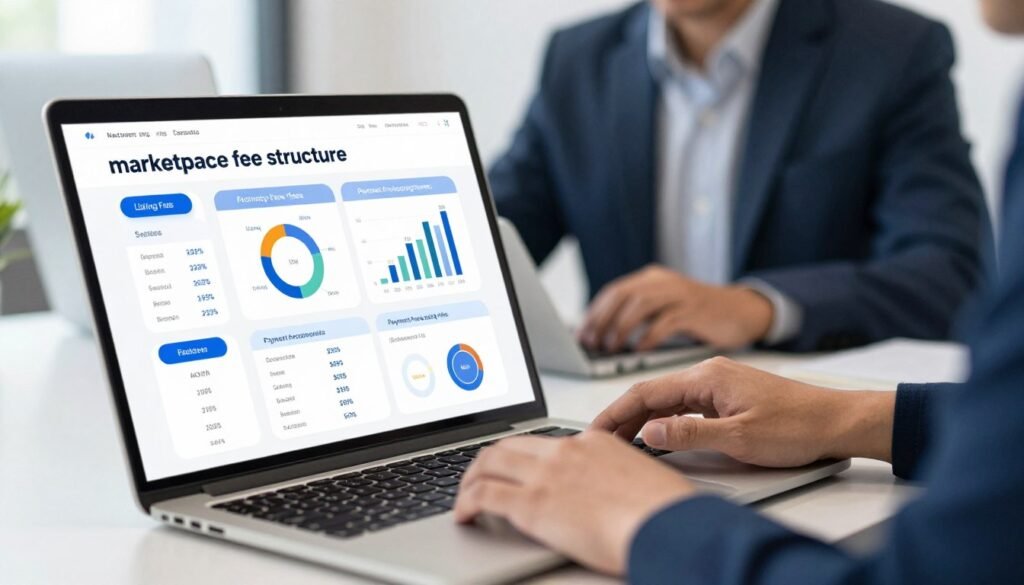
Some subscription plans may offer bundled features or multiple listings. This cost is incurred regardless of whether a sale occurs.
Success Fees: What Percentage Does Flippa Take?
The primary commission is a success fee. This is a percentage of the final sale price, payable only upon a successful deal.
The percentage varies based on the asset type and final price tier. For many standard website sales, it can range from 5% to 10%.
Higher-value business sales may have a lower percentage but a larger total fee. Sellers must factor this into their net proceeds calculation.
Cost of Add-on Services: Escrow, Brokerage, and Legal
Additional costs apply for services that facilitate a secure transaction. The integrated escrow service charges a separate processing fee.
This fee is typically a small percentage of the transaction value. It is often split between the buyer and seller.
Professional brokerage assistance involves a separate, higher fee structure. This can be a fixed fee or a higher success commission, often 15% or more.
Other add-ons include legal contract generation and business verification reports. These provide extra security but add to the total cost.
Comparing the self-service option to full-service brokerage is important. The self-service route has lower fees but requires more time and effort from the seller.
The brokerage option provides hands-on help but significantly reduces your net revenue. Choose based on your comfort with the sales process.
Sellers should subtract all potential fees when setting an asking price. This ensures you know your true net profit after several months of work.
Buyers generally face no direct fees for purchasing. However, they should budget for their share of escrow costs and any legal fees.
Presenting this fee information transparently allows users to evaluate cost-effectiveness. It helps everyone plan for a smooth financial transaction.
The Advantages of Using Flippa
The decision to use a major online marketplace is driven by distinct benefits that streamline commerce. This platform offers a multi-faceted value proposition for anyone involved in digital assets.
Its strengths address the core needs of both new and experienced entrepreneurs. These advantages make it a compelling choice for executing a transaction.
Unmatched Marketplace Size and Buyer Access
The primary advantage is sheer scale. With over three million registered members, it hosts the largest global audience for digital property.
This network includes more than 600,000 active buyers and investors. Such immense size creates unmatched liquidity and deal opportunities.
For a seller, this means immediate access to a vast pool of serious buyers. It dramatically increases the chance of a successful and timely sale.
Buyers benefit from an enormous selection of online businesses and assets. They can find everything from starter sites to established revenue generators.
This critical mass is the platform’s most powerful feature. It connects buyers and sellers in a way few other venues can match.
Integrated Tools for Valuation, Due Diligence, and Deal Flow
The experience is powered by a comprehensive, integrated toolset. This saves users significant time and builds trust throughout the process.
Instant valuation calculators provide a solid starting point for pricing. Direct data connectivity pulls verified figures from Google Analytics and Shopify.
This transparency is crucial for effective due diligence. Secure deal rooms centralize all communication and document sharing.
The platform also offers optional legal services and integrated payment processing. Having these tools in one place streamlines the entire deal flow.
It removes the need to juggle multiple external services. This integrated approach provides essential help at every stage.
Streamlined Process with End-to-End Support Options
Listing an asset is designed to be simple and quick. The process is often more straightforward than traditional business brokerage.
Users can choose their preferred level of support. The self-service option is inexpensive and puts you in control.
For those who need more help, a full expert advisory team is available. These professionals assist with valuation, marketing, and closing deals.
This flexibility is a major benefit for all types of sellers. The transparent, auction-style environment can also yield favorable outcomes.
It creates competitive bidding that may maximize the final sale price. Buyers can sometimes find assets at attractive valuations.
Educational resources and community insights further help users make informed decisions. The combination of scale, tools, and support creates a powerful ecosystem.
It facilitates the buy sell dynamic efficiently. This makes the platform a strong venue for transacting in online businesses.
Potential Drawbacks and Risks to Consider
A balanced review must also examine the challenges and risks inherent in the platform’s model. Understanding these factors is crucial for setting realistic expectations.
It helps you navigate the marketplace more effectively. A clear view of potential pitfalls leads to better decisions.
The Prevalence of Low-Quality Listings and Scams
The open nature of the peer-to-peer model has a significant downside. Buyers often encounter exaggerated or outright fraudulent listings.
Some sites or domains may have inflated traffic or profit claims. This requires you to perform rigorous due diligence on every deal.
Without a strict vetting process for all listings, the burden of verification falls on the buyer. This can lead to wasted time and potential financial loss.
The “Auction” Environment vs. Traditional Business Brokerage
The public auction format differs greatly from a traditional broker sale. It may not attract the same pool of serious, high-net-worth buyers.
A discreet, curated sales process often commands a higher final sale price. The open bidding way can sometimes undervalue a solid business.
This market dynamic is important for sellers to understand. It contrasts with the private transaction methods used elsewhere.
Mixed User Reviews: Stories of Success and Frustration
User experiences vary widely, which is telling for any platform. Positive testimonials praise the ease of use and successful selling.
Many report great support and seamless transaction completion. Negative reviews, however, highlight recurring issues.
These include encounters with fake buyers and a perceived lack of verification. Some users report account issues without clear explanation.
This mix of feedback underscores the platform’s self-service nature. Success heavily depends on your own effort and caution.
The self-service model means sellers must be capable marketers and negotiators. Achieving a top-dollar sale requires more work than with a full-service broker.
While fees are transparent, they can add up. You should compare the total cost against alternative market options.
Success on Flippa requires a proactive and cautious approach. It is not a guaranteed “get rich quick” solution for buying or selling online.
Performing your own deep research over several years of data is non-negotiable. This is the best way to protect your investment and help ensure a good outcome.
Flippa Alternatives for Buying and Selling Websites
Exploring the broader ecosystem reveals specialized services and niche marketplaces that cater to different transaction needs. The best tool for your deal depends on your specific goals and the nature of your online asset.
Understanding these options ensures you select the right venue for maximum success.
When to Consider a Specialized Website Broker
Specialized website brokers offer a fundamentally different service. They provide curated listings, intense vetting, and hands-on deal management.
This model typically focuses on higher-value online businesses. Brokers act as intermediaries to ensure a smooth, professional transaction.
Consider this route for complex sales exceeding $500,000. It is also ideal when seller discretion is paramount.
A broker provides essential help if you lack the time or expertise to manage the sale yourself. Leading firms include Empire Flippers, FE International, and Quiet Light Brokerage.
Other Online Marketplaces for Digital Assets
Several other platforms serve specific niches within the digital asset market. Empire Flippers is known for pre-vetted, larger businesses and established websites.
Exchange by Shopify caters exclusively to Shopify store owners. MicroAcquire focuses on SaaS platforms and tech startups.
Branded is a major venue for buying and selling premium domains. Each marketplace attracts a different audience.
Compared to the open model of a major public platform, these alternatives often have stricter listing criteria. Their fee structures usually involve a higher success-based commission.
In return, they offer more hands-on support and a more curated pool of assets. This can save buyers significant due diligence time.
Choosing the right venue is a strategic decision. The public marketplace excels with its vast selection and self-service model.
Specialized brokers are best for premium service and guaranteed quality. Niche marketplaces are ideal for specific asset types like Shopify stores or SaaS.
The optimal platform depends on your asset’s value, your desired involvement as a seller, and a buyer’s personal risk tolerance.
Conclusion: Is Flippa Right for You?
Choosing where to buy or sell an online business is a strategic decision. This marketplace is a major resource for finding assets or exiting a project. Success requires a vigilant and proactive approach.
For buyers, the platform offers a wide selection and potential value. For sellers of small to mid-sized websites, its self-service model is effective. Sellers of very high-value businesses may prefer a traditional broker for discretion.
Follow non-negotiable rules for any deal. Always use escrow and verify all data. Use this review to navigate the process strategically. When used correctly, Flippa is a powerful tool for digital asset transactions.